Evaluating an Inspirational Cross Design for Embroidery
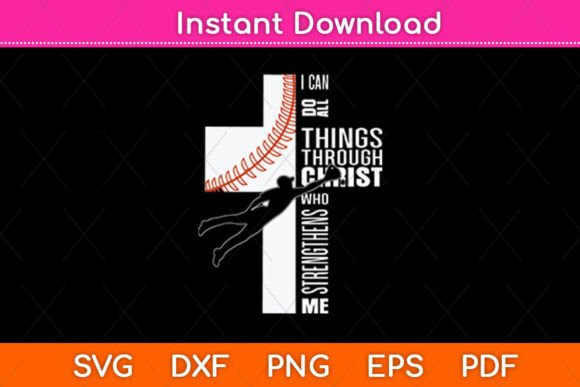
When a design like I Can Do All Things Through Christ Who Strengthens Me lands in my project folder, I approach it as a designer first. I’m not just looking at a graphic; I’m visualizing it stitched onto fabric, worn on a sweatshirt, or gifted on a kitchen towel. The immediate impression is one of serene confidence. The integrated cross and flowing script create a balanced, devotional mood that feels both personal and universal. This isn’t a loud, graphic statement; it’s a gentle affirmation. Its layout suggests it belongs on items meant for reflection, comfort, or daily encouragement.
The Natural Fit for Real Embroidery Projects
In my studio, a design’s theme dictates its best canvas. For this one, I immediately thought of a custom embroidered tote bag for a client’s church group. The ample, stable fabric of a tote is perfect for letting the script and cross detail shine without distortion. Similarly, a well-made sweatshirt or a baby blanket’s corner becomes a heartfelt canvas. I’d lean towards projects where the message enhances the product’s purpose: a pillow cover for a nursery, an apron for a home kitchen, or a simple patch that can be ironed onto a journal cover. For small business owners, especially those in the faith-based or inspirational niche, this embroidery file is a ready-made asset for holiday gifts, wedding presents, or boutique merchandise.
Where the Design Performs Brilliantly
On stable, medium-weight fabrics, this design should stitch out with clarity. Think cotton twill for aprons, denim for caps, or canvas for tote bags. The mix of thicker cross lines and finer lettering means it will benefit from good stabilizer choice to keep the small text crisp. On a dark fabric, with a thoughtful thread color contrast—perhaps a soft cream or gold—it would look exceptionally elegant. For apparel decorators, placing it centrally on the back of a sweatshirt or on the front of a polo shirt could create a professional, personalized product. As a digital embroidery file, its value for Etsy sellers lies in its versatility; it can be adapted for a range of printable mockups and product previews, from embroidered tea towels to custom pillow covers.
Careful Considerations for Stitching Success
Every design has its sweet spot and its challenges. The detail here is in the lettering. In very small hoop sizes, the script might become too dense, risking stitch crowding and reduced readability. I’d avoid using it on highly textured or stretchy fabrics like certain knits without extensive testing, as the small details could get lost. Embroidering on curved surfaces, like the crown of a cap, requires careful digitizing adjustment to prevent distortion, so using this design as-is on caps might need extra attention. Tiny lettering also means that fabric choice is critical; a thin, unstable base fabric could lead to puckering.
For products meant for frequent washing, like kitchen towels or baby clothes, the stitch density needs to be robust enough to withstand wear. A test run on scrap fabric is non-negotiable. It allows you to check thread color contrast, review the actual stitch density, and inspect how the small details of the cross and text interact. Always compare how it looks in both light and dark fabric mockups before committing to a final product.
The Impact on Your Craft Business and Customer
From a business perspective, a well-executed embroidery of this design adds tangible value. It elevates a simple tote bag or sweatshirt into a meaningful, handmade product. The clean, inspirational theme fosters customer trust and recognition—people know what they’re getting, and it resonates. For giftability, it’s superb. The presentation, when stitched neatly on high-quality fabric, speaks of care and professionalism, increasing buyer engagement in your Etsy listings or craft fair displays. It helps maintain brand consistency for shops focused on uplifting or faith-oriented goods.
Practical Notes from the Embroidery Machine
Before loading this machine embroidery design for a client order, my checklist is straightforward. I confirm the licensing terms for the file—can I use it for commercial embroidery projects selling finished items? I don’t invent specifics, so I verify that. I ensure my hoop size accommodates the design’s full dimensions to preserve its proportions. I select a stabilizer appropriate for my target fabric—likely a cut-away for durable items like bags or a tear-away for less stable apparel. I plan my thread palette carefully, considering whether satin stitches for the cross and running stitches for the text are implied, and I test a small section first to see if any areas feel too dense or too sparse.
For digital product sellers offering this as a graphics asset, advising customers to perform these same tests builds trust. Remind them that the beauty of an embroidery file is realized through proper technique. A design like I Can Do All Things Through Christ Who Strengthens Me isn’t just a digital product; it’s a blueprint for a physical object of meaning. When stitched with attention, it transforms from a graphic on a screen to a cherished item on a shelf, in a home, or on a person, fulfilling its purpose as both craft and message.