A Designer's Honest Take on Worker Profile Silhouettes
When a new embroidery design lands on my desktop, I don't just look at it as an image. I think about how it will feel when it's stitched out—how the thread will sit on the fabric, what kind of project it would elevate, and whether my clients or my shop’s customers would genuinely connect with it. That’s exactly the lens I’m using to evaluate the Worker Profile Silhouettes.
The Immediate Mood: Strong, Silent, and Striking
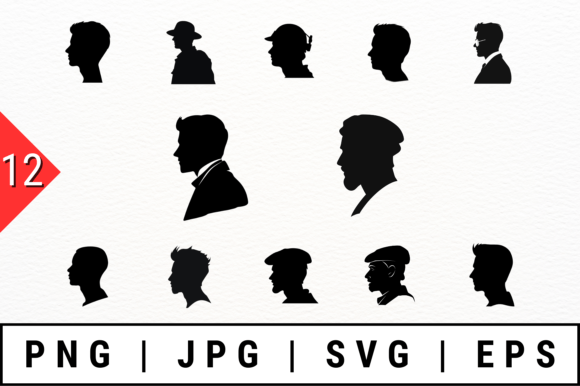
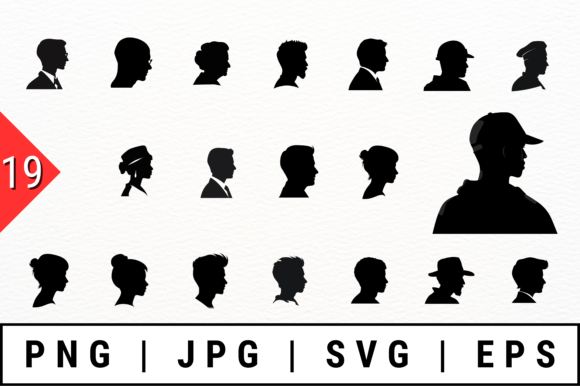
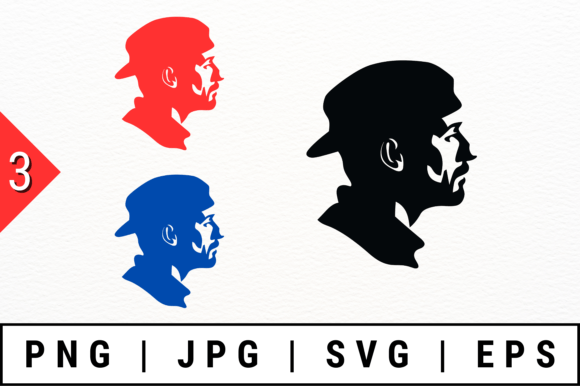
My first impression? These silhouettes carry a quiet, dignified weight. The minimalistic side-profile portraits aren’t flashy; they’re solid. The available colors—black, red, and blue—each shift the mood slightly. Black feels timeless and industrial, red introduces a bold, perhaps union or solidarity vibe, and blue leans more toward a classic, professional tone. The lack of intricate facial details is a plus here. In embroidery, overly complex lines in a small area can get lost or become a muddy mess of stitches. These clean, high-resolution vector shapes promise clarity.
This isn’t a whimsical, floral design. It naturally belongs on projects for a person who values craft, labor, or heritage—think a custom embroidered tote bag for a tradesperson, a sweatshirt for a small manufacturing business’s team, or a patch on a work apron. The theme is niche but powerful, and that’s a good thing. It means the design has a focused appeal rather than trying to be everything for everyone.
Where These Silhouettes Will Shine in Real Projects
Let’s walk through a real scenario. I’m considering these for a batch of custom embroidered pillow covers for a client who runs a boutique hardware store. They want a gift for their long-time employees. The Worker Profile Silhouettes, stitched in a simple satin stitch outline or a clean fill stitch on a neutral linen cover, would be perfect. The graphic communicates respect without needing text.
More broadly, this set is versatile for the right audience. For apparel decorators, it would work well on the left chest of a polo shirt or the back of a heavyweight sweatshirt. For Etsy sellers or craft fair vendors focusing on industrial-chic or personalized gifts, these could be the centerpiece on a kitchen towel, a denim cap, or a baby onesie for a mechanic’s new child—adding a unique, personal story. As a digital product seller, these vector files are excellent assets for creating printable mockups or for other crafters to use in their commercial embroidery projects, given the licensing allows it.
The visual appeal is about clean recognition. On a finished product, a well-stitched silhouette looks intentional and professional. It boosts the perceived value of a handmade item because the design itself feels considered and meaningful, which builds customer trust. For a creative entrepreneur, using this on a line of boutique products could solidify a brand’s consistent, rugged aesthetic.
The Caution Zones: Where to Tread Carefully
Even with a strong design, execution matters. Here’s where I’d be cautious with the Worker Profile Silhouettes. First, small hoop sizes. If you try to shrink these down too much for, say, a tiny corner on a baby bib, you risk losing the clean profile shape. The chin, nose, and hat area need a minimum space to remain distinct.
Textured or stretchy fabrics like some knits or fleece could distort those smooth lines if not stabilized properly. And on dark fabrics, the red and blue versions will need very careful thread color selection for proper contrast—you might need to go brighter than the file color suggests. The black silhouette on a dark background could simply disappear, so it’s likely best for light-colored items.
Also, consider the stitch density. If the design file translates these solid colors into very dense fill stitches, it could make a stiff, uncomfortable patch on a cap’s curved surface or a heavyweight area on a light t-shirt. Always test on similar scrap fabric first.
Practical Notes From the Hoop
Before I’d run this for a client or my shop, here’s my checklist. Test on scrap fabric first, naturally. I’d stitch out one profile in all three color variants to see how the machine embroidery file handles the transitions. I’d check thread color contrast against both light and dark backgrounds—sometimes a digital preview looks great, but stitched thread reads differently.
I’d review the stitch density in my software, looking for any overly dense areas that might puckering the fabric, especially in the larger solid areas if they’re filled. I’d confirm the minimum hoop size that works for my project. I’d also inspect the small details like the potential space between the neck and shoulder—will that be a single running stitch or a satin stitch? It needs to be clear.
For selling finished items, I’d absolutely confirm the licensing terms of this graphics product. Can I use it for commercial embroidery on products I sell? This is crucial for small business owners and makers. Finally, I’d see how it looks in simple black and white mockups for my product listings—the silhouette should hold its form even in a simple line drawing.
The Final Stitch: A Design With Purpose
The Worker Profile Silhouettes aren’t a generic, all-purpose design. That’s their strength. They offer a specific, strong visual personality for projects that call for it. In the right hands—with proper stabilizer, thoughtful thread choices, and on an appropriate product like a custom embroidered tote bag, a personalized work apron, or a simple patch—they’ll stitch out into a clean, impactful finished product.
They speak to a sense of identity and craft, which aligns beautifully with the world of handmade products itself. For a gift, they feel meaningful. For a small shop merchandise item, they feel branded. For an embroidery designer, they present a clear, executable challenge: to translate a powerful graphic into even more powerful thread. My advice? If your project theme aligns, these silhouettes are a solid, professional choice. Just do your practical homework first, and they’ll likely work beautifully.