A Princess Design for Real-World Embroidery
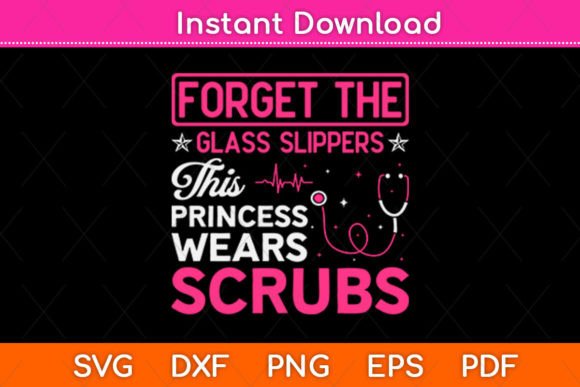
When I first opened the Forget the Glass Slippers This Princess embroidery file, my immediate thought wasn't about fairy tales—it was about practicality. As a designer who translates digital files into physical, stitched products every day, my job is to judge how a design will live outside the screen. This one has a personality that feels immediately useful.
The Practical Charm of a Modern Princess
The mood here is clever and quietly confident. It’s not a grand, ornate princess design; it’s a statement. The layout, with its central focus on the text and supporting motif, creates a balanced, easily hooped shape. The detail level strikes me as thoughtfully medium-density—it has enough visual interest to look professional on a finished product, but it doesn’t look so overwhelmingly dense that it would become a stitching nightmare or warp thinner fabrics. Its visual personality is perfect for the maker who wants to create something with a bit of wit and warmth.
Where This Design Finds Its Home
Let me walk you through a real scenario. I was preparing a custom order for a client’s boutique: a limited-run series of embroidered canvas tote bags. They wanted something unique, giftable, and conversation-starting for their customers. Forget the Glass Slippers This Princess was a contender. On a sturdy tote, this design would stitch out with excellent clarity. The message is inherently engaging—it’s the kind of thing that makes a person smile and nod when they see it on a sweatshirt, a baby blanket, or a kitchen towel.
For custom apparel like sweatshirts and t-shirts, it offers strong brand potential for small shops focusing on empowerment or casual elegance. As a personalized gift, think of it on a pillow cover for a teen’s room or a holiday gift apron. For small business merchandise, it could become a signature item on caps or patches, easily recognizable at a craft fair. The design isn’t overly seasonal, giving it longevity in an Etsy listing or as part of a year-round product line.
Projects Where This Design Excels
- Boutique-style sweatshirt embroidery: It’s a statement piece that elevates a simple garment.
- Embroidered tote bags and aprons: The scale works well on these larger, flat surfaces.
- Baby items and nursery decor: On a blanket or pillow, it becomes a sweet, modern motto.
- Ready-to-sell patches: Its contained shape makes it an ideal candidate for a standalone embroidered patch.
- Personalized kitchen towels or pillow covers: Perfect for creating handmade, giftable home goods.
Considerations for Stitching Success
While the design is adaptable, a professional knows where to proceed with caution. The text is the heart of the design. On small hoop sizes, you must ensure the lettering retains its stitching clarity—test it first. On stretchy or thin fabrics like certain t-shirts, the stitch density needs to be managed with the right stabilizer to prevent puckering.
Dark fabric backgrounds require careful thread color choice for maximum contrast and impact. Embroidering on curved surfaces like caps means paying extra attention to the design placement so the message remains centered and readable. And for any product destined for frequent washing, like a tea towel or baby clothes, you want to ensure your stitch structure is secure and your thread choices are durable.
Turning a File into a Trusted Product
How does Forget the Glass Slippers This Princess affect your final product’s appeal? When stitched well, it communicates quality. The clean layout suggests a professional embroidery project, which builds customer trust in your handmade presentation. For a creative entrepreneur, it can become a consistent design asset across different products, strengthening your brand. Its giftability is high—it feels personal without needing a specific name. That makes it a versatile commercial embroidery file for digital product sellers and apparel decorators alike.
Essential Designer Notes Before You Hoop
- Always test on scrap fabric first. Use the same material and stabilizer you plan for the final project. This reveals everything about stitch density and potential issues.
- Check thread color contrast. Run a black and white mockup on your software. See how the values read. Then, physically compare light and dark background options.
- Inspect the small details. Look closely at the lettering and any decorative accents in the file preview. Are there corners or details that might need a slight adjustment for your specific machine?
- Confirm your hoop size. The design needs a frame that gives it space to stitch cleanly without crowding.
- Use the proper stabilizer. This is non-negotiable for professional results, especially on textured fabrics or garments.
- Verify the licensing. Before selling finished items or digital product previews, confirm the terms of use. Is it for personal and commercial projects? This is a crucial step for any craft business.
Remember, the product description notes this is an instant download file for use with various machines. As an experienced reviewer, I advise you to personally confirm the specific embroidery file formats, exact hoop size recommendations, and any included stitch count information provided by the seller before proceeding with your project. Those are the final, practical checks that separate a good idea from a flawlessly executed finished product.
In the end, Forget the Glass Slippers This Princess feels like a design with a purpose. It’s not just a graphic; it’s a message waiting to be stitched into something real. When you approach it with the practical care of a maker, it has the potential to become a standout piece in your portfolio, whether that’s for a custom gift or for your small shop’s next best-selling item.