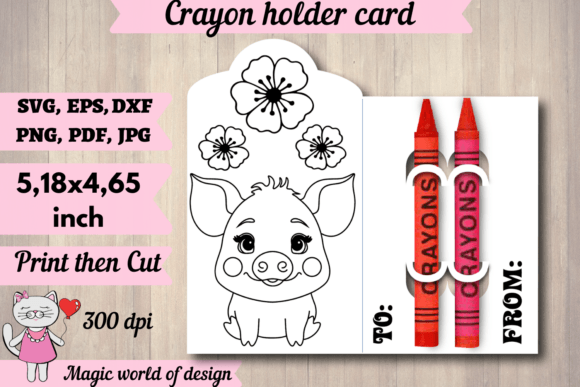
Evaluating the Cute Baby Pig in Flowers, Crayon Holder Design
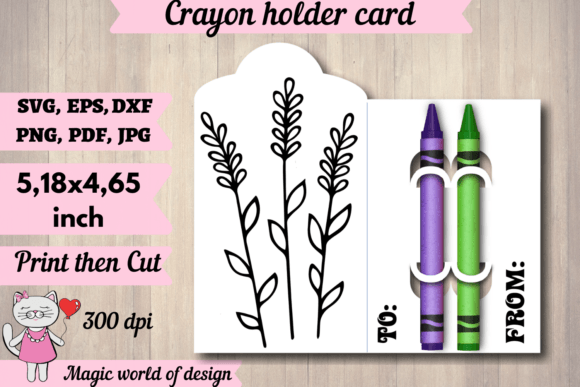
Let’s cut right to the chase: the “Cute Baby Pig in Flowers, Crayon Holder” design is one of those graphics that catches your eye not with complexity, but with charm. If you’re an embroidery designer looking at this for a real project, your first impression is likely a smile. This isn’t a stern, technical design; it’s playful, sweet, and immediately suggests a specific mood. The central theme of a little pig nestled among flowers, framed as a crayon holder, speaks directly to whimsy, childhood, and lighthearted celebration. It feels like it belongs on something meant to bring joy.
Where This Design Finds Its True Home
Before I even think about loading an embroidery file, I’m picturing the finished product. This design isn’t meant for corporate logos or minimalist apparel. Its natural habitat is in the world of personalized gifts and handmade products. Imagine a custom baby blanket for a spring nursery, a playful patch on a child’s denim jacket, or the centerpiece on a birthday gift tote bag. I recently considered it for a set of kitchen towels intended as a Mother’s Day gift—the soft, floral theme felt perfect. For Etsy sellers or small shop owners, this graphic translates effortlessly into products with high “giftability.” Its appeal is immediate and emotional, which drives customer engagement.
Thinking commercially, this design could anchor a whole line of spring or Easter-themed boutique merchandise. Embroidered on a lightweight cotton apron for a craft fair, or as a small, sweet detail on the corner of a pillow cover in a handmade shop, it adds value through its personality. The “crayon holder” element, while decorative, also suggests utility, making it feel clever on items like organizer bags or craft aprons. For apparel decorators, a well-executed embroidery of this on a pastel-colored sweatshirt would be a standout seasonal product.
The Real-World Stitching Scenario
Okay, so the mood is right. How does the “Cute Baby Pig in Flowers, Crayon Holder” perform when the needle starts moving? Here’s my practical judgment. The given card dimensions (roughly 5x4 inches) indicate a moderately sized design. This is a comfortable scale for many projects. It’s large enough to be a focal point on a tote bag or pillow cover, yet not so huge that it becomes daunting on a baby item or cap.
However, the charm comes from details: the pig’s features, the flower petals, the crayon elements. In embroidery, detail demands attention. On a textured fabric like a knitted blanket, very fine lines might lose clarity if the stitch density isn’t adjusted. On stretchy fabric for a child’s t-shirt, you’d need a robust stabilizer to keep those cute curves from distorting. I’d be particularly mindful if stitching this onto a curved surface like a cap; the layout might need slight repositioning to sit perfectly on the crown.
For dark fabric backgrounds, this design poses an interesting question. The light, floral theme is inherently bright. You’d need to carefully select thread colors with enough contrast to maintain its cheerful vibe. A test run on scrap fabric is non-negotiable here—you’d want to see if the intended playful personality survives the transition to a navy or black garment. It might become more sophisticated, or it might lose its lightness.
Careful Application: Where to Proceed with Caution
Every design has its ideal applications and its less-suited ones. For this cute pig graphic, I’d advise caution in a few key areas. First, very small hoop sizes. Attempting to miniaturize this for a tiny patch on a thin fabric might compress the details, making the flowers and crayon holder look crowded. The design’s strength is in its relaxed, open layout.
Second, products destined for frequent, heavy washing. While good embroidery holds up, intricate designs with many small elements can face more wear over time. Embroidering this onto a beloved, often-washed baby bib or kitchen towel would require using quality threads and secure stitching techniques to ensure longevity, which affects customer trust in your handmade product.
Third, commercial embroidery projects where brand consistency is key. If you’re a digital product seller offering this as part of a series, it fits beautifully within a “cute crafts” or “children’s themes” collection. But if your overall brand is modern and sleek, this design might feel out of place. Its visual personality is distinctly classic and sweet, which is a strength, but must align with your shop’s aesthetic.
Notes from the Embroidery Machine
As a designer reviewing this for real use, my checklist is practical. Assuming this is provided as a machine embroidery file, here’s what I’d do before committing to a client project or stocking my small shop inventory:
- Stitch it out on my standard scrap fabric first. This reveals the true stitch density, the flow of satin stitches versus fill stitches, and any potential jump stitch issues.
- Review the color palette. Does the digital file suggest specific thread colors? I’d compare how it looks in a simple black-and-white mockup to assess contrast, then test it on both a light and a dark background fabric.
- Confirm the effective hoop size needed. The card dimensions are a guide, but the embroidery area might differ slightly. I’d ensure my target product can accommodate it.
- Inspect the small details—the pig’s eyes, the crayon tips. Are they defined enough to remain clear after stitching? This impacts the final professionalism of the piece.
- Crucially, check the licensing terms. Before selling any finished product—embroidered tote bags, sweatshirts, or patches—or using it in digital mockups, I need clear confirmation that commercial use is permitted. This is foundational for creative entrepreneurs.
These steps transform a cute graphic into a reliable craft business asset.
The Impact on Your Craft and Your Customer
Ultimately, using a design like “Cute Baby Pig in Flowers, Crayon Holder” is about the effect it creates. When stitched well, it elevates a simple item. A plain tea towel becomes a cherished holiday gift. A basic cotton cap becomes a unique boutique product. The clarity of the embroidery, the choice of vibrant threads against the right fabric, directly affects perceived value and buyer engagement.
For the maker, it offers a project that’s likely enjoyable to execute—not overly technical, but rewarding in its visual outcome. It builds a handmade presentation that feels thoughtful and skilled. For the recipient or customer, it delivers recognition: “That’s so cute!” is the reaction you’re designing for. In the crowded space of Etsy listings and craft fair tables, that moment of connection is everything.
So, if you’re an embroidery designer, a hobbyist looking to make a personalized gift, or a creative entrepreneur building your product line, this design is a strong candidate for projects that call for warmth and playfulness. Approach it with a practical eye for detail, test it thoroughly for your specific application, and it will likely stitch out into something that brings a little smile—both to you while making it, and to whoever ends up owning it.