Putting the Valentine Woven Heart Design to Practical Use
When I first opened the Valentine Woven Heart embroidery file, my immediate reaction was a genuine smile. It taps directly into that warm, nostalgic feeling the description mentions—those simple, charming paper valentines from childhood. But as a designer reviewing assets for real-world projects, my next thought was far more practical: How will this translate into thread and fabric, and where will it shine?
The Visual Personality and Project Fit
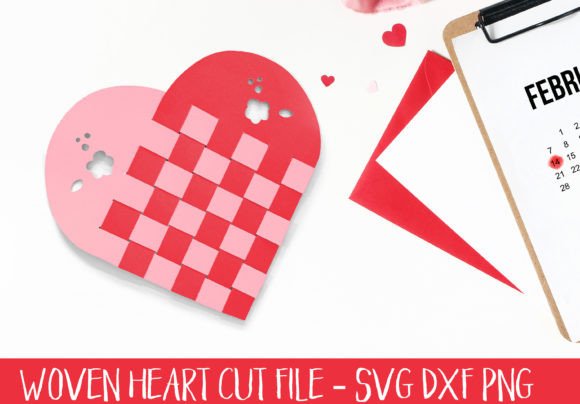
The woven heart shape itself is the star. It’s graphic, clean, and carries a handmade, tactile personality even in digital form. This isn’t an overly ornate, filigree-laden Valentine’s motif; it’s friendly and approachable. That visual mood makes it incredibly versatile for a range of embroidered products. I instinctively picture it on a cozy, washed-cotton sweatshirt or the corner of a linen pillow cover for a subtle holiday touch. For a baby item, like a little onesie or a nursery blanket, it feels sweet without being cloying. Its graphic nature also makes it a strong candidate for a clean, standalone embroidered patch.
For my small business clients and fellow Etsy sellers, this design offers a lot. It’s recognizable as a Valentine’s theme but carries a timeless, crafty aesthetic that could sell beyond February for general “love” or handmade-themed products. In a boutique setting, a tote bag featuring this design feels artisan and intentional, elevating it from a generic gift.
Performance on Real Products & Fabric Considerations
Moving from the screen to the hoop is where judgment truly matters. The success of this embroidery project will hinge on understanding its structure. The woven pattern implies interlocking elements, which in embroidery terms often translates to satin stitch borders or fill stitch areas defining the weave pattern. The clarity of that woven effect will depend entirely on stitch density and thread color contrast.
On a medium-weight cotton tote bag or a structured apron, this design should perform beautifully, given proper stabilizer. The fabric provides a stable base for those defining stitches. On custom apparel like t-shirts or lighter sweatshirts, you must be cautious. The stitch density needed to create clean lines could potentially cause puckering on thin or stretchy fabrics if stabilization isn’t robust. This is a design I’d definitely test on scrap fabric first, mimicking the final project’s texture.
A particular consideration is working on dark fabric. The woven illusion relies on the perception of layers overlapping. If using dark thread on a dark background, that delicate interplay might get lost. I’d advise creating black and white mockups or testing a high-contrast thread palette—a cream on navy, for instance—to preserve the design’s character. Conversely, on light fabrics, it offers wonderful clarity.
Where It Requires Extra Attention
Some applications demand a more careful review. Embroidering this onto a curved surface like a cap presents a challenge; any small, detailed corners in the weave pattern could distort if the hooping isn’t perfect. Similarly, if you plan to miniaturize it for a very small hoop size, perhaps for a delicate baby bib corner, inspect the file’s smallest details. Ensure the running stitches or satin stitch columns remain distinct and don’t blend into a dense, muddy area.
For products destined for frequent washing—like kitchen towels or everyday sweatshirts—the integrity of the design matters. A well-digitized file with appropriate stitch density will hold up. This is a note to verify before committing to a bulk run for your craft business merchandise.
Impact on Customer Appeal and Professional Presentation
From a commercial and giftability perspective, the Valentine Woven Heart scores high. It feels handmade without looking amateurish, which builds customer trust in your embroidery skills. On a personalized gift, such as an embroidered tea towel for a wedding or anniversary, it conveys thoughtfulness through its craft-inspired style. For your brand, if you lean into a rustic, authentic, or nostalgic aesthetic, this design can enhance brand consistency across your product line.
In my experience, buyers engage with designs that evoke a pleasant memory or a sense of simple quality. This design does that. It’s not flashy, but it’s professionally charming. When used on the right product, it increases the perceived value because the embroidery looks intentional and well-executed.
Practical Designer Notes Before You Stitch
Before loading this file for a client’s custom apparel project or your next craft fair inventory batch, here’s my realistic checklist.
- Test First, Always. Run it on a scrap of your target fabric. Check for puckering, thread tension, and the clarity of the woven pattern.
- Contrast is Key. Play with thread color combinations against your fabric background. The design’s charm is in its layered look.
- Mind the Stabilizer. Match your stabilizer to the fabric texture—woven fabrics, knits, and towels all have different needs.
- Consider the End Use. Is this for a decorative pillow cover or a heavily used apron? That influences your choice of thread type and potentially a touch-up finish.
- Verify the Essentials. The product description places it in the Crafts and Graphics category. As an embroidery file, you must confirm the specifics: the compatible hoop sizes, the stitch count (if available), and crucially, the licensing terms for personal versus commercial use before selling any finished product or digital product previews.
- Mockup for Marketing. For Etsy sellers and digital product sellers, using this design in printable mockups on sweatshirts or tote bags in your listings will show customers its potential beautifully.
The Valentine Woven Heart is a design with a lot of heart, pun intended. Its success in your embroidery project won’t come from the file alone, but from your thoughtful application of it. By pairing it with the right fabric, the right thread, and the right product, you can create a finished piece that feels both nostalgically sweet and professionally crafted—a combination that resonates deeply with makers and customers alike.