Wavy Groovy: Embroidery for Creative Flow
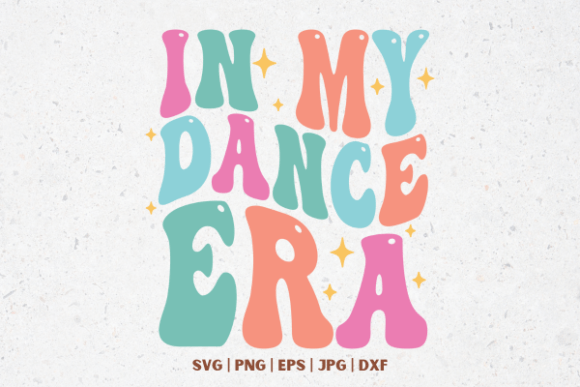
When you pull up a new embroidery design, the first glance tells you almost everything. You’re looking for that spark—the shape, the mood, the visual personality that says, "This will stitch out beautifully." Opening Wavy Groovy in My Dance Era, I immediately felt that relaxed, rhythmic vibe. The design isn’t rigid; it’s fluid. The waves and curves suggest motion, and the playful lettering feels like a personal declaration. It creates a mood of creative freedom and fun, which is exactly what you want for projects aimed at makers, dancers, or anyone embracing their unique era.
The Perfect Project Match: Where This Design Finds Its Home
I picture this design on a custom embroidered tote bag first. The scale works. A tote is a statement piece, and Wavy Groovy in My Dance Era has enough presence to stand out without being overwhelming. It would stitch beautifully onto a cotton canvas bag, with the satin stitches on the lettering providing a nice, smooth texture against the fabric. For a small business owner or Etsy seller, that tote becomes a perfect product—it’s useful, stylish, and carries a positive message.
Beyond totes, this is a strong candidate for relaxed apparel. Think crewneck sweatshirts, cozy hoodies, or even a simple t-shirt. The design’s organic, wavy layout avoids a blocky, corporate feel, making it ideal for personalized gifts or boutique merchandise. I also see it working wonderfully as a decorative patch, either iron-on or stitched, for jackets or backpacks. The theme is universal enough for a wide audience but specific enough to feel special.
Careful Placement: When Texture and Size Matter
While the design is versatile, its success depends on thoughtful application. On highly textured fabrics, like a coarse linen or a loose knit, the finer details in the wavy lines could lose clarity. A good stabilizer is your best friend here. On dark fabrics, you’ll need to plan your thread color contrast carefully; a white or bright satin stitch for the main lettering will pop, but the subtler background waves might need a slightly lighter shade than the fabric to be visible.
Small hoop sizes could be a challenge. The design occupies a decent portion of that 1000 x 1000 workspace. If you try to shrink it down too much for, say, a baby item or a cap, those elegant curves and the lettering detail might become too dense or muddled. Always test on scrap fabric first at your intended size. For curved surfaces like caps, the design’s flowing shape could actually work well if centered properly, but you’d want to avoid placing it where the seam would distort the waves.
From Digital File to Stitched Product: The Real-Life Test
Let’s walk through a real scenario. You’re preparing a custom embroidered sweatshirt as a holiday gift for a client who loves dance. You have the high-resolution files—the SVG, PNG, JPG, EPS, and DXF. The 300 DPI ensures sharpness for your machine embroidery software. You load the file, and seeing it on the screen, you start planning your stitch types. The bold lettering of "My Dance Era" is begging for a clean satin stitch. The wavy, groovy background elements might be best as a lighter fill stitch or even a running stitch for a more textured, handmade look.
You consider thread colors. Maybe a vibrant purple for the main text and softer blues or greens for the waves. You run a black and white mockup to check contrast, and you realize that on a light grey sweatshirt, the design holds its form beautifully. The value here isn’t just in the stitches; it’s in the finished product’s visual appeal. This design, when executed well, elevates a simple sweatshirt into a personalized, professional-looking piece. That builds customer trust and makes your handmade presentation shine.
Commercial Sense: Building a Craft Business Around It
For the creative entrepreneur, Wavy Groovy in My Dance Era is a solid digital asset. It fits into a collection for a craft business focusing on positive affirmations, artistic themes, or dance-inspired products. You could use it across a line—totes, sweatshirts, pillow covers for a dancer’s room, even printed onto tea towels for a kitchen with a fun vibe. The consistency across products helps build a recognizable brand.
Before selling any finished items, always confirm the licensing terms for the digital clipart. The provided file formats are comprehensive, supporting both machine embroidery and potential use in printable mockups for your Etsy listings or digital product previews. This flexibility is a huge plus. It allows you to create the embroidered product and also market it effectively with clean graphics.
Practical Notes for the Embroidery Designer
My final thoughts are always practical. With this design:
- Test it on a similar scrap fabric first to check stitch density, especially in the curved areas.
- Review the small details in the wavy elements at your chosen hoop size; ensure they won’t become a tangled blob of thread.
- Consider fabric weight. On thin or stretchy fabrics, use appropriate stabilizers to prevent puckering.
- For products needing frequent washing, like baby clothes or kitchen towels, choose durable threads and consider a slightly simplified stitch approach to maintain longevity.
- Use the design’s natural flow. Its strength is its movement. Place it on products where that movement can be celebrated—not crammed into a tight corner.
Wavy Groovy in My Dance Era is more than a graphic; it’s a mood translated into stitches. It feels human, friendly, and confident. When you stitch it out, you’re not just making a product; you’re conveying a sense of creative joy. That’s the kind of embroidery project that resonates, whether it’s for a personal gift, a craft fair product, or a commercial embroidery project for your small shop. It reminds you why you got into this craft—to make things that feel alive and authentic.