Art Is My Favorite Sport: A Designer's Hands-On Review
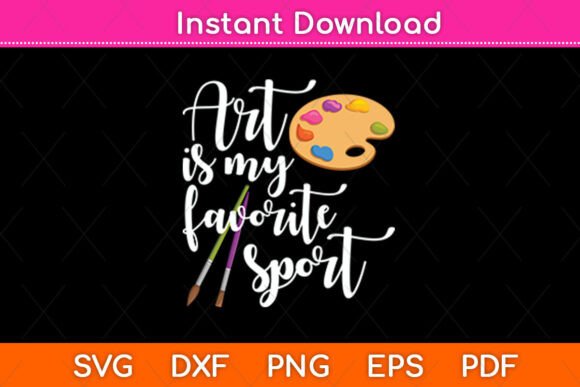
When a new design lands in my digital library, my first question is always: “How will this stitch out?” I’m not just looking at pixels on a screen; I’m imagining thread on fabric, the texture of stitches, and how a finished piece will feel in someone’s hands. Today, I’m putting Art is My Favorite Sport Artsy Paint under that microscope. This design, with its playful palette, paint brush, and artsy typography, isn't just a graphic—it’s a potential statement piece for embroidery.
The Instant Mood and Where It Belongs
The first impression is one of creative pride and joyful self-expression. The layout isn’t overly rigid; it has a hand-drawn, slightly whimsical personality. That “artsy paint” element in the title isn’t just decorative text—it’s the core of the visual vibe. This isn't a sporty, aggressive design. It’s celebrating art as a passionate activity, a favorite pastime. That mood immediately suggests it belongs on items for makers, artists, teachers, students, or anyone who lives a creatively driven life.
I picture this stitched onto a canvas tote bag for an art teacher, the textured fabric complementing the design's organic feel. Or, embroidered onto a soft, cotton sweatshirt for a hobby painter—a personal, wearable affirmation. It naturally fits boutique products like embroidered pillow covers for a cozy studio nook or a simple, elegant patch on a denim jacket. The theme is inherently giftable: think personalized birthday presents for a creative friend or a unique piece of nursery decor for a baby in an artistically inclined family.
Performance in Real Embroidery Projects
Let’s walk through a real scenario. Imagine you’re preparing a custom embroidered tote bag for a small shop client who sells handmade paints. You want the embroidery to reflect their brand’s creative spirit. Art is My Favorite Sport Artsy Paint offers that thematic connection. But how does it translate from SVG to stitches?
For apparel like t-shirts and sweatshirts, the design’s mix of text and illustrative elements (the palette, brush) means you need to consider stitch density. Areas like the paint splashes on the palette could become dense if translated as solid fill stitches, which might be too heavy for lightweight tee fabric. On a sturdy sweatshirt or hoodie, it would hold up beautifully, adding value and a premium handmade feel. On a baby item, like a onesie, I’d likely simplify or use a very light satin stitch for the smaller details to keep it soft and comfortable.
For commercial embroidery projects—say, a series of aprons for a local art studio’s staff—this design becomes a branding asset. It’s recognizable, professional, and communicates a clear message. It would stitch well on an apron’s firm twill. As an Etsy seller or creative entrepreneur, you could use this embroidery file to create a cohesive line of products: totes, caps, tea towels. The consistent theme builds customer trust and brand consistency.
Where This Design Demands Extra Attention
Confidence in embroidery comes from knowing a design’s limits. Here are my practical notes on where Art is My Favorite Sport Artsy Paint requires careful planning.
Small hoop sizes and tiny details: The lettering, especially “Artsy Paint,” and the fine lines of the paintbrush handle need clarity. If you’re scaling this down for a small patch or a cap’s curved surface, test those details first. Tiny, intricate satin stitches can get lost or blur.
Textured or stretchy fabrics: On highly textured linen or a stretchy knit, the painted splashes and smaller elements might not render with sharp definition. A good, appropriate stabilizer is non-negotiable here.
Dark fabric backgrounds: This design, with its likely light-colored palette illustration, would pop on light fabrics. On dark fabrics, you’d need to plan thread color contrast meticulously. Bright, opaque whites and vivid colors for the paint splashes would be essential to maintain visual appeal.
Products needing frequent washing: If you’re embroidering this on a kitchen towel or a child’s garment, consider how dense stitch areas will hold up over repeated washing. A less dense fill stitch might be more durable long-term.
Turning a Digital File into a Professional Finished Product
The journey from a digital embroidery file to a sellable, giftable finished product hinges on a few key steps. For this design, my designer checklist would be:
- Always test on scrap fabric first. Use the same material you intend for the final project. See how the paint palette details stitch out. Check the readability of the text.
- Review thread color contrast. Do the proposed colors make the “Artsy Paint” elements stand out clearly from the “Art is My Favorite Sport” text? Create a small sample in both light and dark fabric mockups.
- Confirm your hoop size can accommodate the design’s width. The layout has a natural horizontal flow; ensure your machine and hoop can handle it without compromising detail.
- Inspect the small decorative accents. The paintbrush tip and the dots on the palette are charm points. Make sure your machine settings render them crisply, not as blurred dots.
- Use proper stabilizer for the fabric choice. This is critical for maintaining stitching clarity, especially on apparel or bags.
- Check the licensing terms. The product description states it’s for use with cutting machines. As an embroidery designer, you’re adapting it. Before selling finished items or commercial embroidery projects, confirm the license allows for that derivative use. Never assume.
The Impact on Your Craft Business
Choosing a design like this isn’t just a technical decision; it’s a business and creative one. When stitched well, Art is My Favorite Sport Artsy Paint elevates a simple product. On a tote bag, it transforms it from a generic carrier to a statement piece about personal passion, increasing its perceived value. For an Etsy seller, that means better buyer engagement and likely, higher customer satisfaction.
It supports handmade presentation by offering a unique, thematic design not found on mass-produced items. As a personalized gift—an embroidered pillow cover for a newly retired art teacher, for instance—it feels thoughtful and specific, enhancing its giftability. For small shop merchandise, it can become part of a recognizable collection, fostering brand loyalty.
Ultimately, my judgment as a reviewer is positive. This design has a strong, cheerful theme that resonates with a specific audience. Its potential in embroidery projects is significant, provided you approach it with the practical embroidery wisdom of testing, adapting for your fabric, and respecting its detailed charm. It’s more than a crafts graphic; it’s a ready-made concept for your next handmade, meaningful project.