Chef Silhouettes Vector Art: A Designer's Hands-On Review
The Immediate Appeal: Clean, Modern, and Versatile
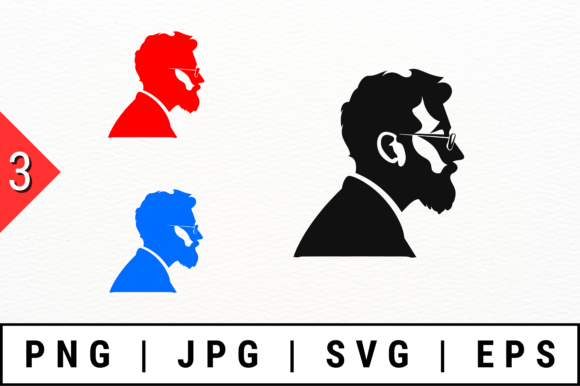
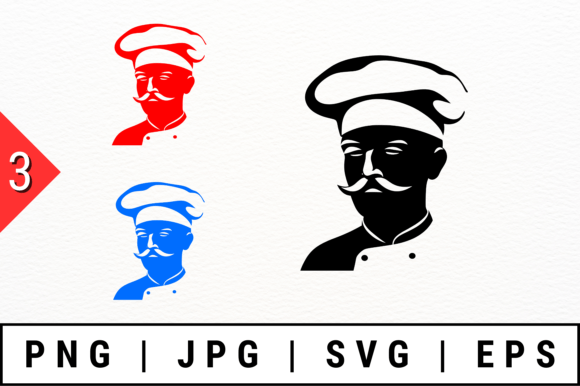
When I first opened the Chef Silhouettes Vector Art, my designer’s eye went straight to the shape. These aren't overly detailed portraits; they’re crisp, contemporary silhouettes with that classic mustache and chef hat. The simplicity is their strength. In embroidery, especially on fabrics like a dense sweatshirt or a textured tote bag, overly complex designs can get lost or become a muddy mess of stitches. This set, with its clean lines and solid forms, promises clarity. The three color variations—red, blue, and black—aren't just decorative choices; they’re practical. Red might pop on a neutral apron for a boutique kitchen brand, blue could feel softer on a baby’s blanket as a gift for a chef-parent, and black is the universal workhorse for a professional-looking patch or cap.
Where This Design Shines in Real Projects
I’m picturing this design already stitched out. The mood it creates is confident and thematic without being kitschy. It belongs perfectly on culinary-themed items, but its modern graphic feel also makes it suitable for general gifts or branding where food is a love language. Here’s where I see it performing exceptionally well:
- Custom Apparel & Merchandise: Embroidered onto the chest of a chef’s polo shirt or the back of a hoodie for a small café’s staff. The silhouette is recognizable and professional.
- Personalized Gifts: A tea towel or pillow cover for a wedding gift for a couple who loves to cook. The graphic is more stylish than a generic text phrase.
- Small Business Products: As a repeated motif on the corner of embroidered aprons or tote bags sold at a craft fair or in an Etsy shop. The consistency builds a subtle brand.
- Baby & Nursery Decor: On a little onesie or a nursery blanket, especially in the blue version, it becomes a sweet, gender-neutral design for a foodie family.
- Embroidered Patches: This is a prime candidate for a patch. The solid shape would handle satin stitch borders or fill stitches beautifully, creating a high-value, standalone item.
The Practicalities of Stitching It Out
Before I hooped any fabric, I’d think through a few real-life embroidery situations. On a curved surface like a cap, a simplified silhouette like this is a safer bet than a design with tiny details that might distort. On stretchy fabric, like a t-shirt, the solid areas need proper stabilizer to prevent puckering, but the lack of intricate internal lines makes it more forgiving than a detailed portrait.
For visual appeal and stitching clarity, contrast is key. The black vector art on a light fabric like a linen pillow cover will be striking and crisp. The red or blue on a dark fabric, however, requires careful thread choice—a bright, vibrant thread to make the silhouette stand out. I always advise testing on scrap fabric first. Run a small section to check the stitch density. A design with large fill areas can become very dense; you might need to adjust settings to keep it flexible on garments.
Caution Zones: Where to Use This Design Carefully
Even a strong, simple design has its considerations. For very small hoop sizes, like on a baby’s sock or a tiny logo placement, the chef’s hat and mustache detail must remain clear—you might need to slightly simplify the vector art if the scale is minuscule. On thin fabrics, like a lightweight cotton handkerchief, the stitch density needed to create a solid silhouette could show through or stiffen the fabric. The solution? Perhaps using it as an applique design instead, where the shape is cut from fabric and stitched down, reducing the underlying stitch count.
Also, for products destined for frequent washing—like kitchen towels or aprons—a design with large filled areas holds up well, but the edges must be cleanly stitched to prevent premature fraying. A running stitch outline might not be as durable as a satin stitch border for such items.
How It Translates to Customer Perception & Value
When a customer sees this Chef Silhouettes Vector Art embroidered on a finished product, the reaction I anticipate is immediate recognition and a sense of tailored design. It doesn’t look like a generic, clip-art image. That builds customer trust and elevates the handmade presentation. For an Etsy seller or a small shop owner, using such a clean graphic asset helps with brand consistency across different products—the same silhouette can appear on aprons, caps, and tote bags, creating a cohesive line.
Its giftability is high because it’s thematic without being overly specific. It’s a chef, but it’s also a symbol of cooking, hospitality, and craft. For commercial embroidery projects, like a batch of logos for a local bakery, this design offers a modern alternative to more literal illustrations, potentially increasing the client’s engagement with their own brand.
Notes from the Embroidery Machine
My final thoughts, from the perspective of actually running this embroidery file:
- Always test: Hoop some scrap fabric similar to your final project. Check thread color contrast against your background.
- Inspect the details: Even in a silhouette, the points of the chef hat and the mustache shape need to be clear in the stitch path. Preview the file in your software.
- Consider backgrounds: Test the design in both black-and-white digital mockups and on actual light and dark fabric swatches. The vector art color is a guide, but your thread choice makes it real.
- Confirm the basics: Since the product description focuses on its use for branding and logos, remember to verify the specific licensing terms for the vector art itself before selling finished embroidered items or digital products derived from it. The description mentions “ideal for use in culinary branding, logos, or modern graphic designs,” which suggests commercial use, but always check the official license.
- Pair with proper technique: Use the correct stabilizer for your fabric. For a graphic this solid, on textured fabrics like a tote bag, a firm stabilizer will keep the shape sharp.
The Chef Silhouettes Vector Art feels like a reliable, versatile tool in the embroidery designer’s kit. It’s not a flashy, complicated design that will wow with technique, but a fundamentally sound graphic that will wow with its clean application and perfect fit for a wide range of meaningful projects. It’s the kind of asset that, when stitched well, makes the finished product look thoughtfully conceived—and that’s always the goal.