Embroidered Pencil Numbers: A Designer's Review
The Immediate Charm: Whimsy with a Purpose
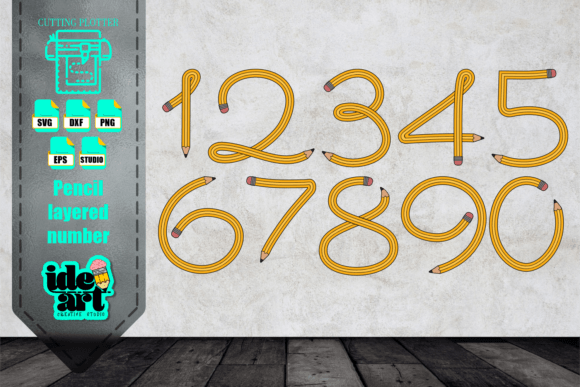
When you open the file for Pencil Numbers, the first thing you notice is the mood. It’s playful, creative, and educational, without being overly childish. Each number, shaped into a distinct pencil, has a character that feels both hand-drawn and cleanly digital. This isn’t a generic font; it’s a themed graphic. For an embroidery designer, this means the design carries its own personality into a project, adding a layer of narrative. It whispers “school,” “art,” “learning,” or “first draft,” depending on what you pair it with. That versatility is powerful.
Where This Design Naturally Belongs
My mind immediately goes to projects with a personal touch. A custom embroidered tote bag for a teacher, with their name and a Pencil Numbers year. A child’s sweatshirt or baby blanket with a birth date embroidered in these playful numerals. An apron for a craft studio owner, featuring their shop anniversary. The design fits perfectly into the world of personalized gifts, boutique nursery decor, and small shop merchandise where a story matters more than a plain number.
The shape of each pencil-number is clever. The tracing is clean, which is crucial for translating into stitches. In embroidery, overly complex outlines can become muddy. Here, the essence of a pencil—the tip, the shaft, the eraser end—is captured in a way that should satin stitch or fill stitch nicely, creating a recognizable form without relying on microscopic detail.
Real-World Embroidery: Where It Thrives and Where to Be Cautious
Let’s walk through a real scenario. I’m considering this for a set of embroidered tea towels as a holiday gift for a family of teachers. I want to stitch the school year, like “2025,” onto the corner. Using Pencil Numbers here makes the gift thematic and thoughtful. On a flat, stable fabric like a kitchen towel, with proper stabilizer, I expect these designs to perform beautifully. The stitch density, assuming the files are well-digitized, should allow for clean fills on light or dark fabric, provided I plan my thread color contrast carefully—bright colors on dark backgrounds, perhaps classic pencil yellow on light ones.
The visual appeal is high. This isn’t just a date; it’s a little piece of art. That increases the perceived value of the finished product. For an Etsy seller or creative entrepreneur, that translates into better buyer engagement. A customer sees the care in the design choice, which builds trust in your handmade presentation and professionalism.
Careful Application for Optimal Results
However, as with any embroidery file, realism is key. I would be cautious on certain surfaces. On a curved cap, the longer numbers like an 8 or a 4 might need careful hooping and placement to avoid distortion. On very textured or stretchy fabrics, the smaller details—like the pencil tip—could lose clarity. And if the numbers are stitched very small, perhaps for a delicate baby garment, I’d definitely test on scrap fabric first to ensure the satin stitch boundaries remain sharp.
For products destined for frequent washing, like kids' apparel, the stability of the stitches matters. A good, dense fill stitch here would hold up better than a very open running stitch outline. This is where reviewing the actual stitch composition of the embroidery file before committing is essential.
Beyond the Hoop: Business and Branding Considerations
For digital product sellers and craft businesses, Pencil Numbers is a solid design asset. It can be used in printable mockups to showcase potential personalized products—think a mockup of a pillow cover with a pencil-numbered anniversary date. The set includes multiple file formats, which is critical for different uses: the SVG/DXF for cutting machines if used in applique, the Studio file for embroidery machines, and the PNG for quick previews.
This design can enhance brand consistency for a shop focused on educational, artistic, or crafty products. Using it across a line of items—tote bags, patches, sweatshirts—creates a cohesive look. Its giftability is strong; it feels special and considered.
Practical Designer Notes Before You Stitch
- Always test the design on a scrap of your intended fabric first. Check for thread tension and stitch density issues.
- Experiment with thread color contrast against both light and dark backgrounds. The pencil theme might inspire classic colors, but feel free to be creative.
- Confirm the hoop size needed for the specific size you plan to stitch. Don’t assume it will fit a tiny hoop if you want large numbers.
- Inspect the small details in the file preview, like the corners of the pencil erasers or the points of the tips, to ensure they’ll translate well to stitches.
- Use the proper stabilizer for your fabric type to maintain the design’s shape and clarity.
- If you are creating commercial embroidery projects or selling the finished items, confirm the licensing terms for this digital embroidery file. Understand your rights before selling.
A Design That Speaks Before It’s Stitched
Ultimately, Pencil Numbers succeeds because it’s more than a graphic; it’s a concept. In the crowded space of embroidery designs, a set that offers a themed, cohesive idea stands out. It gives you, the maker, a starting point for a story—a birthday, a school year, a creative anniversary. That story, embroidered onto a bag, sweatshirt, or patch, resonates with customers far more than a plain numeral.
My judgment as a designer reviewing it for real project use is confident. With practical preparation—testing, proper materials, and thoughtful application—this set can elevate your personalized gifts, custom apparel, and small shop products. It brings a friendly, clever visual personality to your work that feels handmade in the best sense: considered, artistic, and full of intent.